Attention subscribers
-
Already a subscriber but can’t log in? Click here to locate your subscription and set up online access. If you’ve tried this and still can’t sign in, contact your local office or email info@richardsonmediagroup.net.
5 overlooked careers that keep the food system moving
Posted
Jackie Dowling for Cargill
Most food people purchase in the United States does not come straight from the farm and land on the table. Behind every meal is a complex network of people and processes that most consumers never see.
After harvest, crops go through a host of stages before they make it to a dining table. They move through storage, transportation and quality checks, and are then processed into the ingredients and food products people buy at the grocery store and enjoy every day. Along the way, trained specialists work across every stage of the process. They’re working with farmers and helping care for animals. They’re the ones who maintain product standards and develop new foods, and they also ensure ingredients perform in real kitchens.
Agricultural and food scientists jobs are projected to grow 5% between 2024 and 2034. At the same time, the agriculture industry is experiencing a shrinking workforce, with more than half of farms reporting labor shortages.
As supply chains evolve and consumer demands change, these behind-the-scenes roles become even more essential. Cargill highlights five lesser-known careers that help keep the modern food system moving and why their impact is greater than many people realize.
Courtesy of Cargill
1. Grain Operator
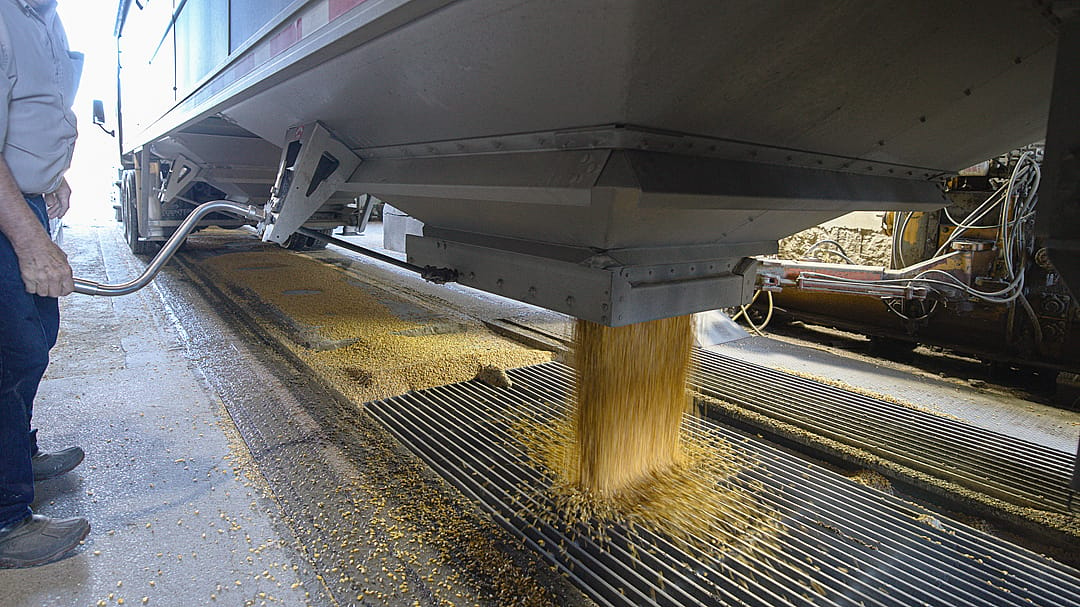
Once crops like corn, soy and wheat leave the field, they still have quite the journey to go. Grain operators are needed to make sure those crops are received, stored safely and checked for quality. Then operators are in charge of ensuring the crops move to where they need to go, whether that’s to processors, food manufacturers or feed customers.
The scale of that work is significant. On average, a grain operator may help oversee the movement of hundreds of millions of pounds of grain each year, depending on the size and location of the facility. During harvest, that role becomes especially important, helping keep grain moving so farmers can continue to bring in crops. This work means customers can count on a steady supply of food and feed ingredients.
“Grain handling is really about maintaining flow and consistency,” said Dan Pullis, a Cargill grain operator. “Even small disruptions in storage or transport can have ripple effects across the supply chain, especially during peak harvest periods.”
2. Agronomist
Farmers are facing more complex challenges each season, from unpredictable weather to changing market demands and pressure to grow more with fewer resources. Agronomists help make those challenges more manageable by turning research, data and sustainability goals into practical recommendations for the field.
Agronomists help farmers make decisions that improve crop performance while making the most of available resources. By evaluating soil health and considering how environmental conditions affect crops, they provide guidance that extends beyond a single growing season. Their expertise helps farmers reduce risk and improve yields while keeping their operations productive for years to come.
“Agronomy is about understanding how all the pieces fit together—from soil and weather to crop rotation and input use. The goal is to help systems perform better over time, not just maximize a single season’s output,” said Anna Teeter, an agronomist at Cargill.
3. Animal Nutrition & Health Scientist
Animal nutrition and health scientists study how feed affects animal health and overall productivity. By evaluating the nutritional value of feed and how animals digest it, they develop practical feeding strategies that support animal well-being while improving the efficiency of food production.
Livestock nutrition plays a major role in both economic and environmental outcomes. According to a 2025 report from the U.S. Department of Agriculture, feed was the second largest expenditure for U.S. farmers. By improving how animals use feed, animal nutrition and health scientists help farmers reduce costs and improve animal performance, which leads to the more efficient and sustainable production of high-quality food.
“Nutrition plays a central role in how animals perform and stay healthy,” said Yairy Roman Garcia, an animal nutrition scientist at Cargill. “By understanding how different feed components interact, we can support better outcomes for animal well-being and productivity, including milk production and growth.”
4. Food Scientist
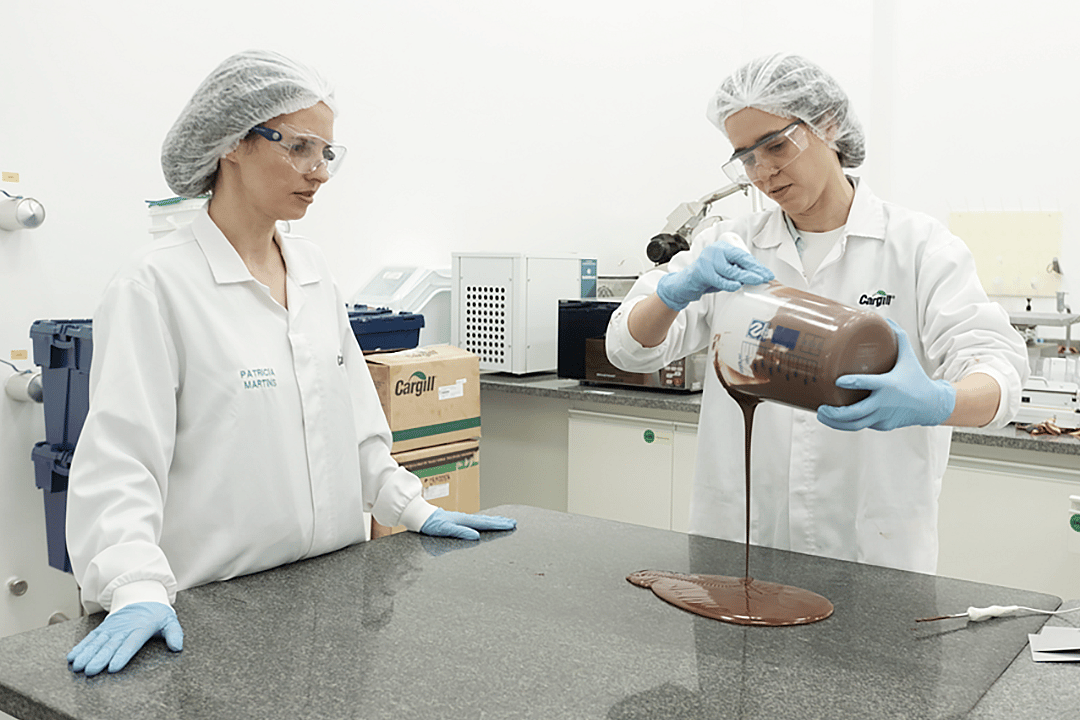
From creating the next trendy snack to improving everyday pantry staples, food scientists help transform raw ingredients into the foods people enjoy. They use scientific expertise and creative problem-solving to develop nutritious, safe products that taste good and maintain their quality over time, all while ensuring they can be produced efficiently at scale.
Consumer preferences continue to evolve with growing demand for convenient, affordable foods that fit changing lifestyles, budgets and dietary needs. Food scientists respond by helping to turn emerging trends into products that work in the kitchen and on the production line.
“Food science is where consumer expectations meet technical reality,” said Patricia Martins, a food scientist at Cargill. “It’s about translating what people want, whether that’s taste, texture, or nutrition, into products that can be consistently produced at scale.”
Courtesy of Cargill
5. Chef
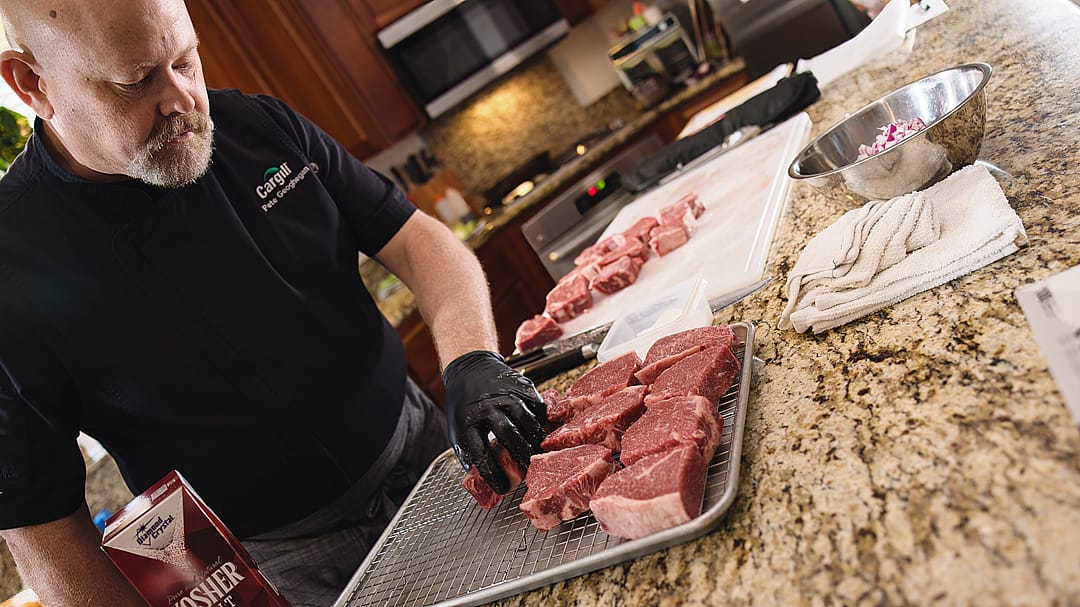
Culinary professionals bring food innovations to life by transforming ingredients and new product ideas into meals people want to eat. They bridge the gap between product development and the consumer, testing how foods perform in real kitchens, restaurants, and foodservice operations to ensure they deliver on the qualities consumers are looking for like flavor and ease of preparation.
“There’s a constant balance between creativity and responsibility in culinary work,” said Pete Geoghegan, a chef at Cargill. “It’s not just about creating something that tastes good. It’s about making sure it can be prepared safely, perform consistently in real kitchens, and meet the expectations people have when they sit down to eat.”
As more Americans choose to dine away from home, a chef’s expertise has become increasingly important. According to the USDA, Economic Research Service’s (ERS) Food Expenditure Series (FES), “food-away-from-home continued to outpace food-at-home spending in 2025,” reaching $1.41 trillion, or 56% of total U.S. food expenditures.” That represents significant growth since 1997, when inflation-adjusted spending on food-away-from-home totaled $818 billion. By combining culinary skill with product knowledge, culinary professionals ensure new foods succeed not only in the test kitchen but also in the other places people eat like restaurants and cafeterias.
From grain handling and crop science to food development and culinary execution, every step from farm to table relies on a diverse network of specialized expertise.
For those interested in exploring new career options in the agriculture industry, pathways into fields like agronomy and food science are available through the U.S. Department of Agriculture and universities across the country.