Education and especially how education is funded for Bedford County has been a source of conversation over the past several months. There exist several incorrect assumptions and perceived ideas.
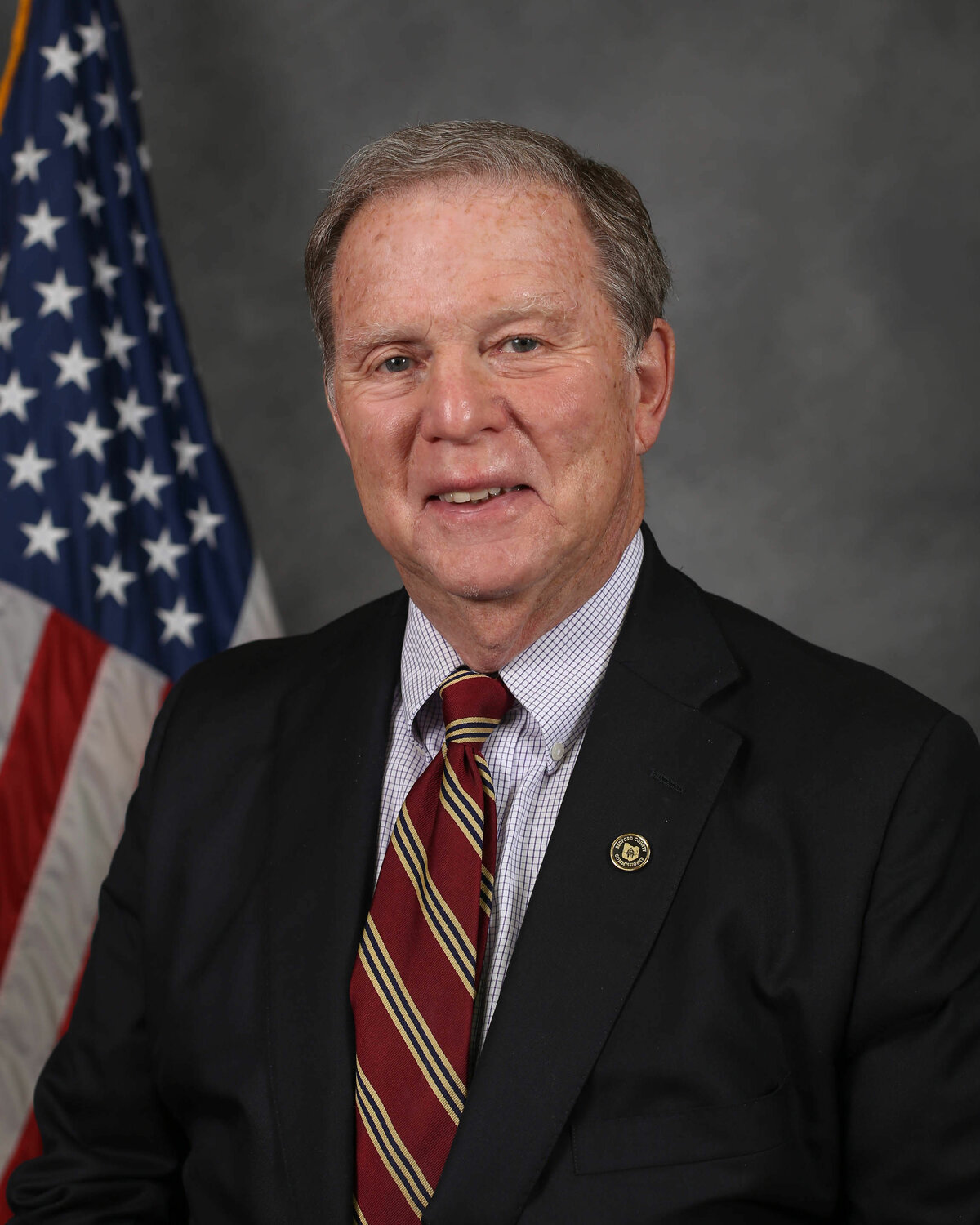
As a former school board member and a current county commissioner, I believe it important everyone understands the process and have an overview of how the actual funding formula works.
This column is solely intended to inform. It is not intended and certainly not to persuade or even endorse the process. As a taxpayer we all simply need to understand and be aware of how the system is funded.
Background
In 1993, the Tennessee Supreme Court ruled that the state’s old school funding system was
unfair. Less fortunate areas couldn’t afford to locally fund their schools like wealthier areas
could, even though the state gave each district the same amount per student. This led to unequal education across Tennessee according to the Court decision.
As a result, Tennessee created a new funding system that considers each county’s ability to pay.
Less fortunate counties get a bigger share of State education dollars than wealthier counties.
Who Decides What We Can Afford?
Two organizations measure a county’s ability to pay (called “capacity”):
The Tennessee Advisory Commission on Intergovernmental Relations (TACIR)
The University of Tennessee Haslam School of Business
They consider things like local tax revenue, property values, income, and student population.
The state uses an average of their findings to determine each county’s share of school funding.
What Is the Tennessee Investment in Achievement Act (TISA)?
In 2022, Tennessee passed a new funding formula called TISA, which focuses on individual
student needs. Every student gets:
A base amount
Extra funding based on factors like low income, English language learning, disabilities,
and attending a small rural or high poverty school.
Half of Bedford students come from economically disadvantaged homes, and 16% (about 1,400 students) are English language learners.
Districts also get money for career training and are rewarded for student performance. The State calculates the total cost of educating the student population in each school district.
How Much Is Funded?
For the 2025–2026 school year, Tennessee’s General Assembly budgeted over $7 billion for K–12 education. This money is divided using the TISA formula and the local financial capacity among the 141 school districts locally matching State funds (even though there are only 95 counties—some counties for example, Coffee County has 3 school systems).
Local Funding
Each local government, such as Bedford County, must share with the State the cost to educate students in their local school district. The amount each local government must contribute depends on how much money they can afford. In other words, the State sends a bill to each local government that funds a school system, telling them the minimum amount they are expected to pay based on their financial capacity.
In 2024, all local governments matching State education funds gave more than their required share:
In our region (South-Central Tennessee), local funding was 86% above the required local minimum.
Bedford County gave 3.6% more than the required local minimum just above the least funded district in the State.
Fayette County schools was the least funded at 1.5% above the required local minimum.
Fayette has the 6 th highest per capita income in the State. They have a much higher
capacity to fund schools. Their local funding was $4,109 per student and ours was $1,546.
TISA State and Local Spending per Student
In 2024:
Statewide average per student: $11,052
South-Central Region average: $11,020
Bedford County: $9,417
Only 3 of 141 districts in Tennessee spent less per student than Bedford.
Over 10 years:
State funding for education to Bedford grew 85%
Bedford County’s share grew 22%
Inflation over that period was 32%
The school budget made up 38% of the County tax revenues in 2014, and 25% in 2024.
Bedford County’s property tax rate was $2.27 in 2014 and schools received $0.96.
Bedford County’s property tax rate was $2.33 in 2024 and schools received $0.62.
State law requires all school systems receive 50% of sales tax revenue.
Student Teacher Growth
Between 2014 and 2024:
Student enrollment rose from 7,837 to 8,994 (+1,157 students)
Teachers increased from 487 to 501 (+14 teachers)
That’s 83 new students for each new teacher.
Bedford’s student-teacher ratio is 18:1.
o The State average is 17:1.
o The South-Central region is 16:1.
Federal and Other Funding
In 2024, Bedford County Schools received:
Title I (reading, math, language help): $4.5 million
Special Education: $1.4 million
Cafeteria: $6.4 million
One-time American Rescue Plan grant: $4.09 million (used for instructional support and
improved student performance)
The City of Shelbyville also contributed $2 million (from local sales tax) for school construction debt, which totaled $4.78 million in 2024.
I think everyone has a good idea on the future of Federal and City funding.
Summary
Some will read this and say here it comes, more taxes. Others will question our spending
priorities with the tax revenue we do have.
Bedford County Schools received 3.6% more than the County was required to fund in 2024
however in 2024:
15% of school districts received 150% or more than the local funding requirement.
41% of school districts received 100% or more than the local funding requirement.
60% of school districts received 75% or more than the local funding requirement.
83% of school districts received 50% or more than the local funding requirement.
94% of school districts received 25% or more than the local funding requirement.
97% of school districts received 15% or more than the local funding requirement.
My question is…why can’t Bedford County do better than 3.6%, while every other local
government funding schools except one in Tennessee can?
Note:
South Central Region includes Perry, Wayne, Hickman, Lewis, Lawrence, Maury, Giles,
Marshall, Lincoln, Bedford, Moore, Coffee, and Franklin Counties
Data Sources:
2024 Annual Comprehensive Financial Report (State Audit) for Bedford County, TN
2014 Annual Comprehensive Financial Report (State Audit) for Bedford County, TN
Tennessee Department of Education Data Reports